

Polyurethane foam sandwich panels, commonly known as PU boards, have emerged as a crucial material in various industries, particularly in construction and automotive sectors. Because of its durability, light weight and resistance to extreme weather conditions, it is an ideal material for industrial and commercial projects. Central to the performance of these panels is the polyurethane foam core, which plays a critical role in insulation, soundproofing, and impact resistance. To enhance the quality and performance of these foam cores, the use of specialized polyurethane catalysts, such as MXC-5, MXC-8, and MXC-41, is essential. In this article, we will explore the types of foam used in sandwich panels and the role of polyurethane in these structures.
What Foam is Used in Sandwich Panels?
The foam used in sandwich panels is mainly polyurethane rigid foam, which is a closed-cell structure synthetic material. The closed cell structure provides more efficient insulation and water resistance. Polyurethane foam has unique low thermal conductivity, high mechanical strength and excellent adhesion to various skin materials, making it a high-quality material for sandwich panels.
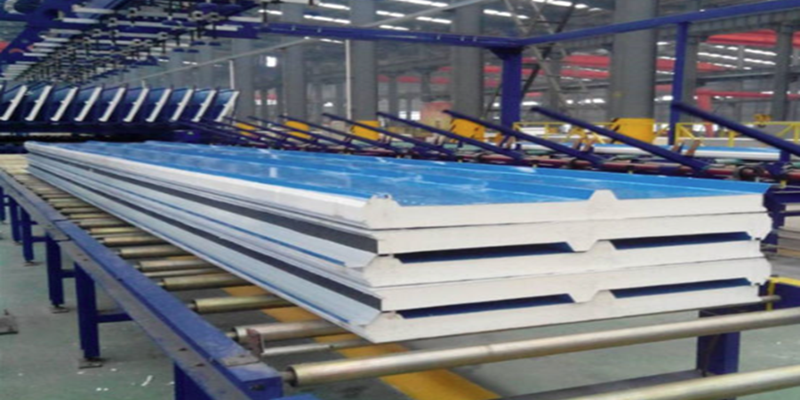
Polyurethane Rigid Foam: The Preferred Choice
Polyurethane rigid foam is the preferred core material in sandwich panels because of its outstanding thermal insulation capabilities. With a thermal conductivity of only 0.022-0.033W/(m*k), it offers the lowest thermal conductivity among all insulation materials, making it highly effective in energy conservation. This low thermal conductivity allows buildings to maintain a stable indoor temperature, reducing the need for heating and cooling, and consequently lowering energy bills. In vehicles, it helps in reducing heat transfer, enhancing the efficiency of climate control systems.
The foam's closed-cell structure also makes it an excellent barrier against moisture, further enhancing its insulation properties and preventing issues such as mold and mildew. Additionally, the rigid nature of polyurethane foam contributes to the overall strength and durability of the sandwich panel, making it capable of withstanding significant mechanical stress, which is crucial in both construction and automotive applications.
The Role of Polyurethane in Sandwich Panels
Polyurethane plays multiple roles in the construction of sandwich panels, each contributing to the overall performance and longevity of the panels.
1. Insulation and Thermal Efficiency
One of the primary roles of polyurethane in sandwich panels is to provide thermal insulation. The foam core acts as a barrier to heat transfer, keeping buildings cool in the summer and warm in the winter. This thermal efficiency is not only beneficial in terms of comfort but also in energy conservation. The lower the thermal conductivity of the material, the more effective it is at maintaining a stable indoor temperature, leading to significant savings on energy bills.
2. Structural Integrity and Impact Resistance
The polyurethane foam core also contributes to the structural integrity of sandwich panels. When sandwiched between two rigid skins, the foam core distributes stress across the panel, enhancing its load-bearing capacity. This makes the panels highly resistant to impact, which is particularly important in applications such as vehicle manufacturing, where safety and durability are paramount. In construction, the impact resistance of polyurethane sandwich panels ensures that buildings can withstand external forces such as wind and seismic activity.
3. Sound Insulation
Another critical role of polyurethane in sandwich panels is sound insulation. The foam core effectively dampens noise, making it ideal for applications where noise reduction is essential, such as in residential and commercial buildings near busy roads or industrial sites. In vehicles, sound insulation contributes to a quieter cabin environment, enhancing the comfort of passengers.
4. Adhesion and Bonding
Polyurethane resin adhesives are commonly used to bond the foam core to the outer skins of the sandwich panel. This adhesive plays a crucial role in ensuring that the skin and core materials are tightly bonded, preventing issues such as bulging and delamination. The use of catalysts like MXC-5, MXC-8, and MXC-41 in the formulation of these adhesives ensures uniform distribution and strong bonding, which are critical for the long-term performance and durability of the panels.
Conclusion
Polyurethane foam sandwich panels are a testament to the versatility and efficiency of polyurethane as a material. The use of polyurethane rigid foam as the core material provides unparalleled thermal insulation, soundproofing, and impact resistance, making these panels ideal for a wide range of applications. The role of polyurethane extends beyond the foam itself, as it also serves as a critical component in the adhesive that bonds the panel layers together. With the help of specialized catalysts like MXC-5, MXC-8, and MXC-41, the production of high-quality, durable, and efficient sandwich panels is made possible, driving innovation and performance in industries such as construction and automotive manufacturing.


